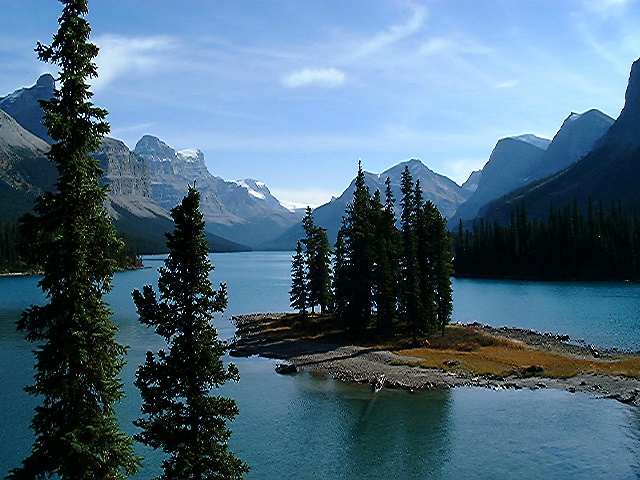
Jasper Recovery Trip Planning Guide 2026
Jasper is still one of Alberta’s most rewarding mountain destinations, but 2026 trip planning needs a little more care than a normal year. The 2024 wildfire changed parts of the park and community, and recovery work is still shaping what visitors can access.
Key answer: You can plan a Jasper trip in 2026, but treat official status pages as part of the itinerary. Before booking hikes, campgrounds, scenic drives or multi-day stays, check the current Parks Canada Jasper visitor information and the Jasper recovery updates.
What Changed for Visitors
The biggest planning change is uncertainty by area. Some places may feel close to normal, while others can have closures, limited services, active restoration work, changed trail conditions or reduced capacity.
That does not mean visitors should avoid Jasper. It means visitors should plan with more flexibility:
- Verify official access before each major activity.
- Keep a second-choice hike or viewpoint for each day.
- Expect some services to be rebuilding or operating differently.
- Leave more time between activities than you would in Banff or Canmore.
- Use local visitor information once you arrive, because conditions can change quickly.
Parks Canada has encouraged visitors to stop by the Jasper National Park Information Centre for current itinerary guidance. That is especially useful if you are choosing trails, picnic areas or scenic stops after weather, smoke, maintenance or recovery work changes the plan.
Best 2026 Trip Style: Flexible, Not Overpacked
Jasper rewards slow travel. In 2026, the best itinerary is not the one with the most pins on a map. It is the one that can still work if one trail, campground or viewpoint is unavailable.
For a two-night trip, use this structure:
Day 1: arrival and townsite orientation
Arrive early enough to visit the information centre, confirm current closures, walk the townsite, and choose dinner at a local business that is open.
Day 2: one anchor activity plus backups
Choose one main activity such as a lake walk, scenic drive, wildlife viewing route or moderate hike. Add two backup options in the same general direction.
Day 3: short morning stop and flexible departure
Keep the last morning light. Pick a short viewpoint, cafe stop or easy walk instead of a long remote objective.
What to Confirm Before Booking
Use this checklist before you lock in lodging, campground dates or paid activities:
- Accommodation status: confirm the property is open, taking your dates, and clear about cancellation terms.
- Campground status: check Parks Canada campground pages and recovery updates before assuming usual capacity.
- Trail status: look up closures and advisories close to the travel date, not just when you first plan the trip.
- Road access: verify seasonal roads, construction and wildfire recovery work if you are driving beyond the townsite.
- Food and fuel: do not assume every previous stop has normal hours. Check current business listings and carry snacks.
- Wildlife and fire rules: carry bear spray where appropriate, follow closures, and respect any fire restrictions.
Good Jasper Activities for a Recovery-Aware Trip
The best activities are the ones that are easy to adapt.
Townsite walking and local dining
This directly supports businesses and gives you a better sense of what has reopened.
Lake and viewpoint stops
Choose accessible viewpoints and short walks when trail status is uncertain or weather changes.
Scenic drives with flexible stops
A drive-based day gives you choices. If one area is closed or crowded, move to the next confirmed stop.
Guided experiences
Local guides and visitor staff can help you avoid outdated assumptions and choose activities that fit current conditions.
Common Mistakes in 2026
Mistake 1: Using an old itinerary without checking recovery status.
Older blog posts and saved maps may include places that are temporarily closed, changed or limited.
Mistake 2: Planning every day around one remote trail.
If that trail is unavailable, the whole day collapses. Build clusters of options.
Mistake 3: Treating Jasper like a quick Banff add-on.
The distance is real, and recovery-aware travel takes extra time. Jasper works best when you give it room.
Mistake 4: Ignoring local businesses.
Recovery is not only about landscapes. Meals, tours, shops and accommodations matter to the visitor economy.
Quick Answers
Is Jasper worth visiting in 2026?
Yes, if you travel flexibly and check current information. Jasper still offers mountain scenery, wildlife viewing, lakes, drives and a quieter pace than many Banff-area trips.
Can I use a normal Jasper itinerary?
Use it only as a draft. Re-check official status pages, visitor information and local business hours before relying on old plans.
How many days should I spend?
Two to three nights is a better starting point than a rushed one-night stop. It gives you time to adapt if weather, access or recovery work changes your first-choice plan.
Jasper does not need visitors to force a perfect checklist. It needs visitors who arrive informed, stay flexible, respect recovery work, and spend locally where they can.
Quick Answers
Is Jasper open for travel in 2026?
Yes, Jasper is welcoming visitors, but some areas and services may still be affected by wildfire recovery. Check Parks Canada and local visitor information before finalizing plans.
Should visitors book Jasper differently in 2026?
Yes. Build a flexible itinerary, confirm trail and campground status, keep backup activities, and support open local businesses where possible.