Icefields Parkway Self-Drive Safety Guide
The Icefields Parkway is not just a highway transfer. It links Lake Louise and Jasper through alpine lakes, glaciers, waterfalls and long stretches with limited services. The goal is not to stop everywhere. The goal is to drive it with enough time and margin.
Before departure, review the official Parks Canada Icefields Parkway page and current road conditions.
How Much Time Do You Need?
Map apps make the drive look simple. Real travel takes longer.
Minimum: 4-5 hours.
Comfortable: 6-8 hours.
Photography or family pace: a full day.
Every viewpoint adds time for parking, layers, photos, washrooms, snacks and weather changes. Plan the Parkway as the main event of the day.
Do These Three Things Before You Leave
1. Fill the Tank
Do not rely on mid-route fuel as your default plan. Services are limited and seasonal conditions can affect availability. Fill up in Lake Louise or Jasper before starting the drive.
2. Download Offline Maps
Cell service is unreliable on much of the Parkway. Download offline maps and save key points: Bow Lake, Peyto Lake, Columbia Icefield, Sunwapta Falls, Athabasca Falls, lodging and fuel stops.
3. Check Weather and Road Conditions
High-elevation weather can shift quickly, even in summer. Wind, cold rain, snow, low visibility and temporary closures are all possible. Winter and spring require even more caution because of ice, avalanche control and shorter daylight.
Best Stops for a First Drive
Bow Lake: Easy access, high scenic value and a strong first stop.
Peyto Lake: Short uphill walk with one of the best views in the Rockies. Expect crowds in peak season.
Waterfowl Lakes: Quieter, good for a short reset or picnic.
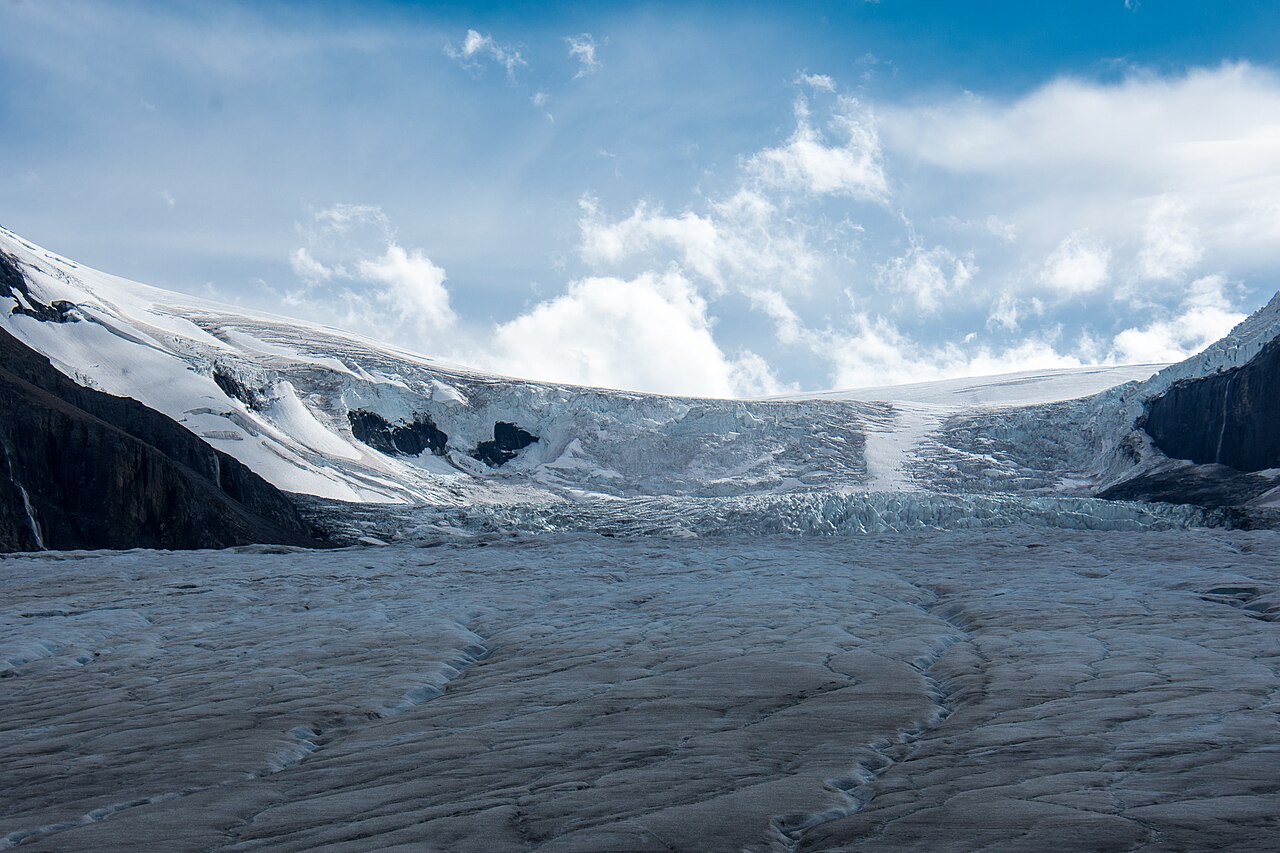
Columbia Icefield / Athabasca Glacier area: The most dramatic geological zone on the route, but weather can change quickly.
Sunwapta Falls: A useful late-drive energy reset near the Jasper side.
Athabasca Falls: Low effort, powerful water and canyon texture.
For a first drive, choose 4-6 priority stops and leave the rest flexible.
Northbound or Southbound?
Lake Louise to Jasper works well for first-timers because the scenery builds from lakes to icefields to waterfalls and wider valleys.
Jasper to Lake Louise is useful if you are already based in Jasper or want Peyto Lake and Lake Louise later in the day. For photography, weather and timing matter more than direction.
Be Conservative in Winter and Shoulder Season
From October through May, risk increases. You need:
- Proper winter tires or tires that meet local seasonal requirements.
- Warm layers, food, water and a charged power bank in the vehicle.
- More daylight margin than you would need in summer.
- Willingness to change or cancel the drive.
If you are not comfortable with winter mountain driving, the Icefields Parkway is not a good place to learn.
Quick Answers
Can you drive the Icefields Parkway in one day?
Yes, but treat it as the main itinerary of the day, not a simple transfer between Banff and Jasper.
Is the Icefields Parkway suitable for new drivers?
In stable summer daytime conditions, yes with caution. In winter or poor visibility, inexperienced drivers should reconsider.
What are the highest-value stops?
For a first trip, prioritize Bow Lake, Peyto Lake, the Columbia Icefield area, Sunwapta Falls and Athabasca Falls. Add Waterfowl Lakes or Big Bend if weather and time are good.
The Parkway rewards slower travel. Fewer stops, better timing and more margin usually create the stronger day.
Quick Answers
Can you drive the Icefields Parkway in one day?
Yes, but it should be treated as the main itinerary of the day rather than a simple transfer between Banff and Jasper.
Is the Icefields Parkway safe for first-time Canada drivers?
In stable summer daytime conditions it can be, but new drivers should be much more conservative in winter or poor visibility.