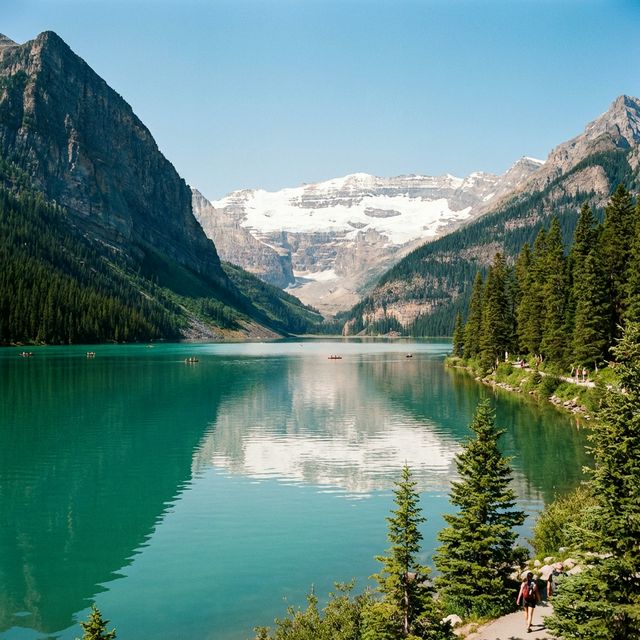
Best Time to Visit Banff
There is no single perfect month for Banff. The better question is what version of Banff you want: bright blue lakes, easier hiking, fewer crowds, winter scenery or better value.
For most first-time visitors, late June through September is the safest overall answer. But that does not mean it is automatically the best answer for every trip.
The Short Version
- First trip with classic lake goals: late June through September
- Best balance of scenery and crowd pressure: September
- Best for snow and winter atmosphere: December through March
- Best for possible value: shoulder season, with more uncertainty
Late June and July: Easiest First-Trip Success Window
This is one of the strongest windows for first-time visitors because many of the classic Banff expectations start to line up at the same time. Lake color is more reliable, more routes are usable and the planning logic is simpler.
This period works well if you want:
- the classic Rockies look
- lakefront time plus light hiking
- a high chance of the trip matching your visual expectations
The tradeoff is clear: more people and usually higher prices.
August: Complete, but Dense
August is often the most complete travel season in terms of general access and family-friendly practicality. But it is also the period where crowd management matters most.
Banff can still be excellent in August, but only if you respect timing. Late starts are usually punished more heavily during this part of the season.
September: The Most Balanced Month for Many Travelers
If you want one answer that is often strong across multiple priorities, September stands out. Scenery remains excellent, temperatures are often comfortable and the pressure of peak summer begins to soften.
It is especially good for:
- travelers who still want classic scenery
- road trips that benefit from a calmer pace
- photography and slower lodging-based travel
For many visitors, September is not just “almost as good” as summer. It is the better experience.
October: Quiet, Beautiful, Less Predictable
October can be excellent for atmosphere, but it is less reliable if you want a fully stable version of the park. It works better for travelers who are comfortable adapting the plan rather than forcing a rigid checklist.
This is a better window for:
- repeat visitors
- atmosphere-first travelers
- people who can absorb weather changes without feeling the trip failed
December Through March: A Different Banff, Not a Backup Banff
Winter Banff should not be treated as a compromised version of summer. It is a different travel product entirely: snow scenery, hot springs, skiing, winter roads and a lodge-oriented rhythm.
It is excellent if you want:
- winter landscapes
- ski or snow travel
- a snowy mountain holiday feel
But it also demands more from the traveler: road conditions matter more, clothing matters more and the day-to-day plan is more weather sensitive.
Is Shoulder Season Worth It?
Yes, if you understand the trade.
The upside:
- potentially better room value
- easier booking flexibility
- lower crowd pressure on some dates
The cost:
- less weather certainty
- more variable access and conditions
- greater need for backup plans
For repeat visitors, that trade can be excellent. For a first trip built around iconic lakes, summer into early fall is usually safer.
Practical Conclusion
If you want the most reliable first Banff trip, aim for late June through September. If you want the best balance, September is especially strong. If you want snow, treat Banff as a winter destination on its own terms.
The best time to visit Banff is really the season that matches the version of Banff you are actually trying to experience.
Quick Answers
What is the best month for a first Banff trip?
For most first-time visitors, late June through September is the most reliable window for classic lake scenery, open trails and simpler planning.
When is Banff less crowded but still worth it?
September is often the most balanced period if you want strong scenery with less pressure than peak summer.